Imagine My Shock
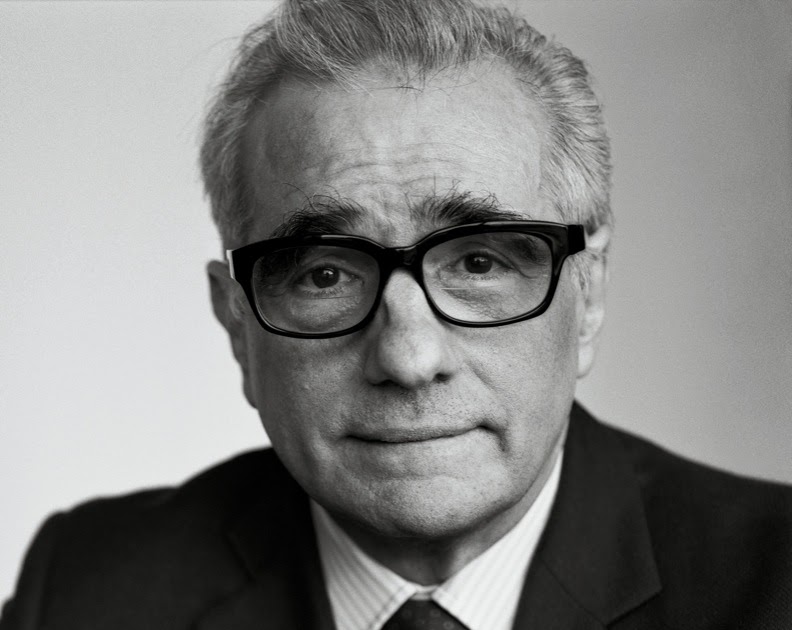
Martin Scorsese B/W photograph by Brigitte Lacombe
Everyone in the movie industry and writing industry remembers when Martin Scorsese opened his mouth against Superhero Movies. He called them the equivalent of cinematic theme parks. Fun for the thrill but ultimately unable to convey the richness of “cinema of human beings conveying emotional and psychological experiences”.
Naturally there was some kickback. Scorsese was lambasted online as “out of touch” and a “boomer”. However, this writer has started to agree with Mr. Scorsese in recent years.
Superhero movies were once a bit niche. There were the ones most people watched, like Superman in the ’80s, but beyond that, you would be hard-pressed to find many people watching superhero media outside of the nerd crowd.
Then the modern superhero era arrived: X-Men, the MCU, and eventually the DCEU. With the MCU in particular, superhero media became mainstream.
Before that popularity, superhero movies knew they weren’t guaranteed hits. If they wanted to avoid being a box office bomb, they had to make the story interesting on its own, even for people who knew nothing about the characters or the source material. Movies like Daredevil (2003), Hulk (2003), and Batman Begins (2005) understood this. As a result, they’re enjoyable for both comic fans and general audiences.
So what’s the difference between those movies and modern superhero movies?
The modern superhero movie is built around mass appeal, relatability, comedy, and spectacle. Even during moments that should be serious, these movies often can’t help themselves from throwing in a quip or joke. Thor: Love and Thunder gets torn to shreds as the perfect example of what not to do, and for good reason.
But can we really blame Taika Waititi?
After the success of the MCU’s formula of humor, pop culture references, and visual spectacle, what else was he going to do? That formula had become the bread and butter of the franchise. Why stray from it when Thor: Ragnarok leaned heavily into those same elements and became a box office hit?
The real issue isn’t that superhero movies have gone stale. There is no superhero fatigue. If there were, shows like Invincible wouldn’t be as successful as they are. Despite being an animated superhero series, something that historically has had a much smaller mainstream audience, Invincible has become one of Amazon Prime Video’s biggest original shows and a major pop culture success. (And it’s animated, for goodness’ sake.) The issue is that many of these movies have become mass appeal first and storytelling second.
The early 2000s films made you understand the main character. They made you understand what drove them. They made you care. The jokes and references were there, but they weren’t the main attraction.
“But isn’t that the same thing the MCU did?”
Not really.
Early MCU movies focused on character-driven stories with superhero stakes. The plots felt grounded in who these people were and what they were going through. The occasional quip was there, but it didn’t define the movie.
Later MCU projects became increasingly focused on what would directors thought put people in seats and what would set up the next movie or Disney+ series.
And this isn’t unique to Marvel. The later X-Men films suffered from similar problems, and it’s one of the reasons so many people disliked movies like Batman v Superman.
So where do we go from here?
Superhero movies need to return to form. They need to stop focusing on setting up the next project, stop undercutting serious moments with jokes, and put character development first.
For example, I remember watching Shang-Chi and the Legend of the Ten Rings and struggling to care about a lot of the characters because the movie didn’t spend enough time making me understand who they were. Ironically, Wong felt like one of the most developed characters in the movie, and that’s largely because other movies had already done the work.
The same issue exists in a lot of ensemble superhero movies. Why should I care if a character dies when I know almost nothing about them? A death only matters if the audience has a reason to care about the person who died.
And that’s part of why Invincible works. The show spends an enormous amount of time developing its characters and making you understand them. The superhero action is great, but that’s not why people keep coming back. People come back because they care about Mark, Omni-Man, Atom Eve, and the rest of the cast. Maybe they even relate to some of the characters. When something happens to the main cast, it matters because the show put in the work to make the audience care.
Too often, modern superhero movies feel like they’re about “fun” first and characters second.
And maybe that’s a larger problem with movies as a whole. Maybe superhero films are just the symptom.
It feels like many studios are focused on shock and awe, humor, and quips first, with character development coming second. Unfortunately, that seems to be one of the lessons Hollywood took from the MCU’s success.
It’s like watching Whiplash and walking away thinking Fletcher is the kind of band teacher you should aspire to be. That’s completely missing the point.
The primary goal of a writer and director is to make the audience care.
Because if the audience is only showing up to laugh at a few jokes and catch some references, why not just watch Adult Swim or spend an hour scrolling through short-form content on social media?
People will absolutely pay to see a movie they care about. The continued success of independent films proves that. Ticket prices don’t matter nearly as much when people genuinely want to see what you’re offering.
So maybe Martin Scorsese was onto something.
The cure has been staring us in the face the entire time.
Make people care, and they will come.